



5-HT Receptor
Serotonin Receptor; 5-hydroxytryptamine Receptor
5-HT receptors (Serotonin receptors) are a group of G protein-coupled receptors (GPCRs) and ligand-gated ion channels (LGICs) found in the central and peripheral nervous systems. Type: 5-HT1, 5-HT2, 5-HT3, 5-HT4, 5-HT5, 5-HT6, 5-HT7. They mediate both excitatory and inhibitory neurotransmission. The serotonin receptors are activated by the neurotransmitter serotonin, which acts as their natural ligand. The serotonin receptors modulate the release of many neurotransmitters, as well as many hormones. The serotonin receptors influence various biological and neurological processes such as aggression, anxiety, appetite, cognition, learning, memory, mood, nausea, sleep, andthermoregulation. The serotonin receptors are the target of a variety of pharmaceutical drugs, including many antidepressants, antipsychotics, anorectics,antiemetics, gastroprokinetic agents, antimigraine agents, hallucinogens, and entactogens.
5-HT Receptor Isoform Specific Products
-
5-HT Receptor
(564)
View all products
-
5-HT1 Receptor
(454)
View all products
-
5-HT2 Receptor
(474)
View all products
-
5-HT3 Receptor
(31)
View all products
-
5-HT4 Receptor
(12)
View all products
-
5-HT5 Receptor
(13)
View all products
-
5-HT6 Receptor
(86)
View all products
-
5-HT7 Receptor
(88)
View all products
All Product Categories
-
5-HT Receptor Inhibitors
(193)
View all products
-
5-HT Receptor Agonists
(546)
View all products
-
5-HT Receptor Antagonists
(681)
View all products
-
5-HT Receptor Activators
(18)
View all products
-
5-HT Receptor Modulators
(96)
View all products
-
5-HT Receptor Inducers
(2)
View all products
-
5-HT Receptor Controls
(19)
View all products
-
5-HT Receptor Ligands
(27)
View all products
-
5-HT Receptor Related Products (1732)
Related Products (1732)

-
Antibodies (1)
-
Related Compound Screening Libraries (1)
-
5-HT Receptor Isoform Comparison
-
(-)-Penbutolol
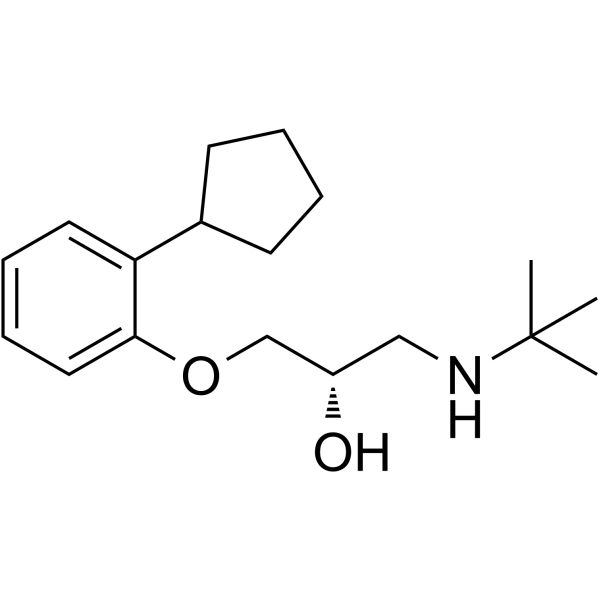 0 ImagesSynonyms: (S)-Penbutolol; (-)-Isopenbutolol(-)-Penbutolol ((S)-Penbutolol) is a potent β-adrenoceptor and 5-HT receptor antagonist with Ki values of 11.6 nM and 11.9 nM for 5-HT in rat cornu ammonis 1 (CA1) and human CA3.
-
OPC-14523 free base
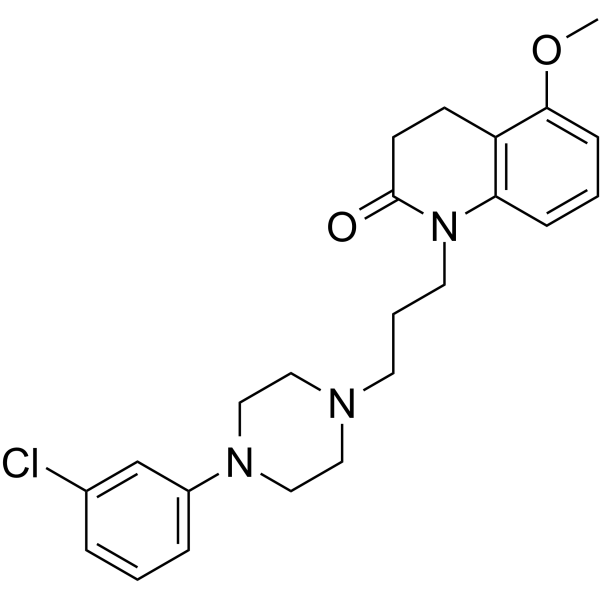 0 ImagesCat. No.: HY-116594CAS No.: 145969-30-8OPC-14523 free base is an orally active sigma and 5-HT1A receptor agonist, with high affinity for sigma receptors (σ1/2 IC50=47/56 nM), the 5-HT1A receptor (IC50=2.3 nM), and the 5-HT transporter (IC50=80 nM). OPC-14523 free base shows antidepressant-like activity.
-
Org-12962
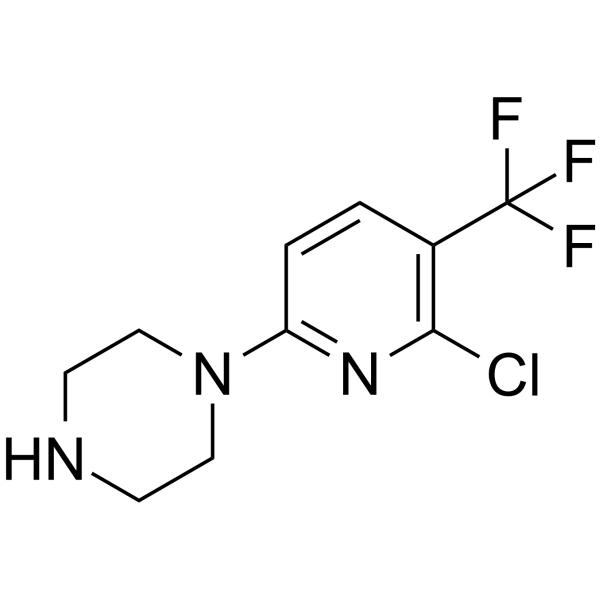 0 ImagesOrg-12962 is a potent, selective and brain-penetrant and 5-HT2C receptor agonist with a pEC50 value of 7.01. Org-12962 also exhibits high effacy for the 5-HT2A and 5-HT2B receptor with pEC50s of 6.38 and 6.28, respectively.Org-12962 displays antiaversive effects in a rat model of panic-like anxiety.
-
Repinotan
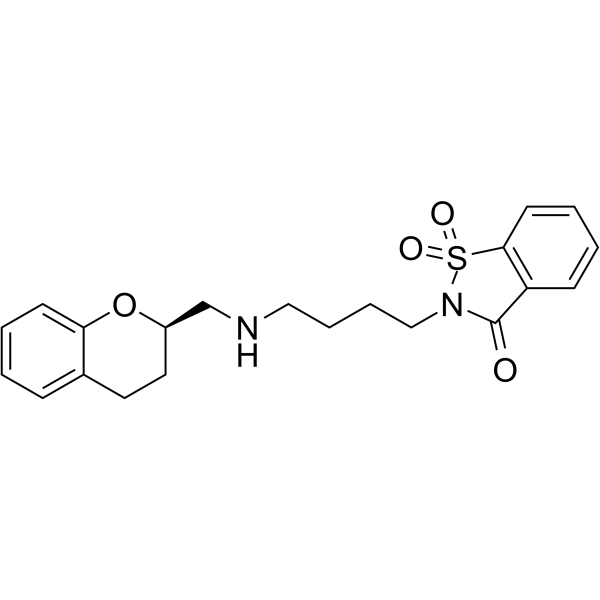 0 ImagesCat. No.: HY-12959CAS No.: 144980-29-0Synonyms: BAY x 3702 free baseRepinotan (BAY x 3702 free base) is a potent, selective, brain-penetrant and orally active 5-HT1A receptor agonist, with Ki values of 0.19 nM (calf hippocampus), 0.25 nM (rat and human cortex), and 0.59 nM (rat hippocampus). Repinotan has a weak affinity for other related receptors. Repinotan has pronounced neuroprotective effects.
-
Syk Inhibitor II dihydrochloride
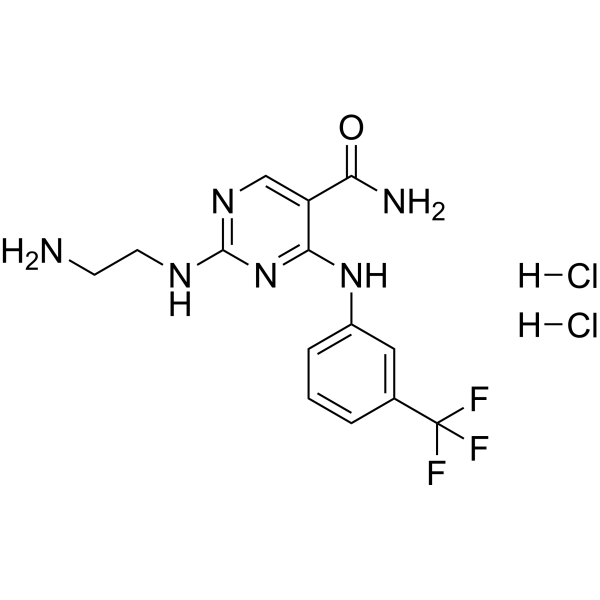 0 ImagesCat. No.: HY-112390CAS No.: 227449-73-2Syk Inhibitor II dihydrochloride is a potent, high selective and ATP-competitive Syk inhibitor with an IC50 of 41 nM. Syk Inhibitor II dihydrochloride inhibits 5-HT release from RBL-cells with an IC50 of 460 nM. Syk Inhibitor II dihydrochloride shows less potent against other kinases and has anti-allergic effect.
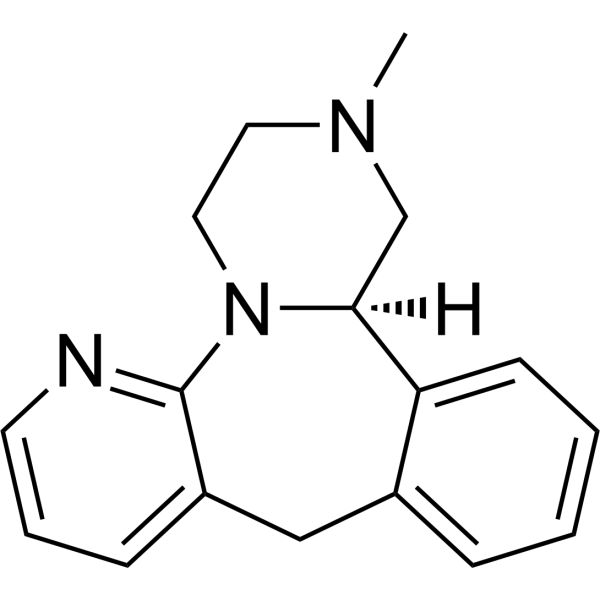
-
ML 10302
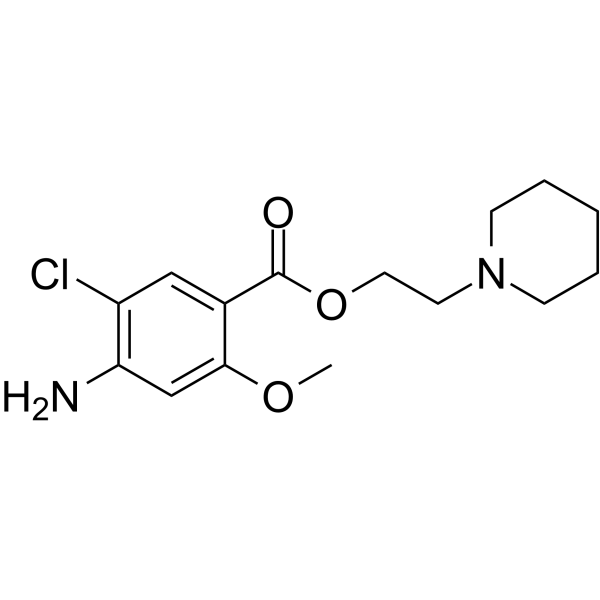 0 ImagesML 10302 is a potent agonist 5-HT4 receptor with Ki of 1.07 nM. 5-Hydroxytryptamine (5-HT4) receptor agonists stimulate gut motility through cholinergic pathways. ML10302 induces significant prokinesia both in the small bowel and colon through activation of cholinergic pathways. ML 10302 also has the potential for the research of neurology diseases.
-
PNU-22394 hydrochloride
 0 ImagesPNU-22394 hydrochloride is an agonist for 5-HT, with Ki of 6.1 and 10 nM, for 5-HT2C and 5-HT2A, respectively.
-
Agomelatine-d3
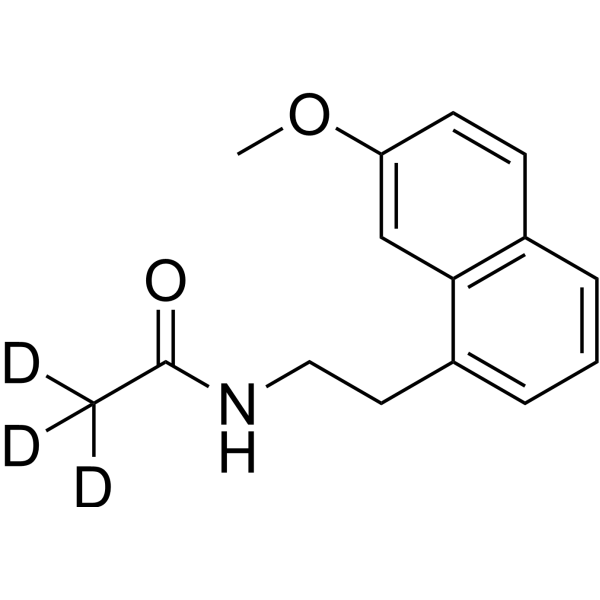 0 ImagesSynonyms: S-20098-d3Agomelatine-d3 is the deuterium labeled Agomelatine. Agomelatine (S-20098) is a specific agonist of MT1 and MT2 receptors with Kis of 0.1, 0.06, 0.12, and 0.27 nM for CHO-hMT1, HEK-hMT1, CHO-hMT2, and HEK-hMT2, respectively. Agomelatine is a selective 5-HT2C receptor antagonist with pKis of 6.4 and 6.2 at native (porcine) and cloned, human 5-HT2C receptors, respectively.
-
Cinitapride
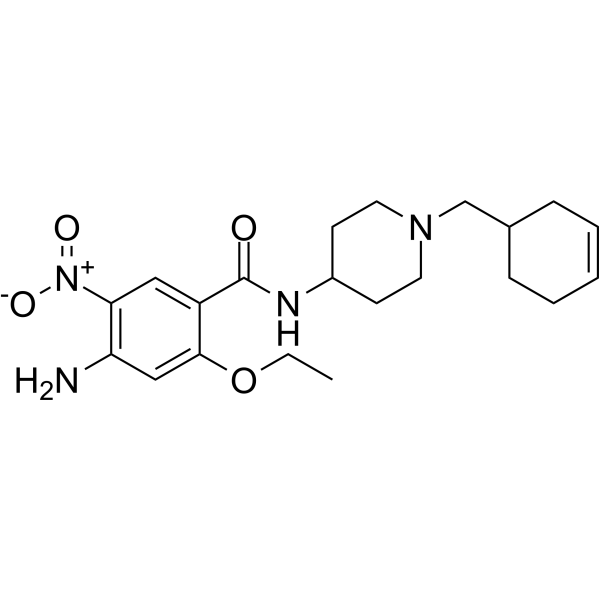 0 ImagesCinitapride is a nonselective 5-HT1 and 5-HT4 receptors agonist and a 5-HT2 and D2 antagonist. Cinitapride can be used in functional dyspepsia (FD) and gastroesophageal reflux disease (GERD) research.
-
Aripiprazole (Standard)
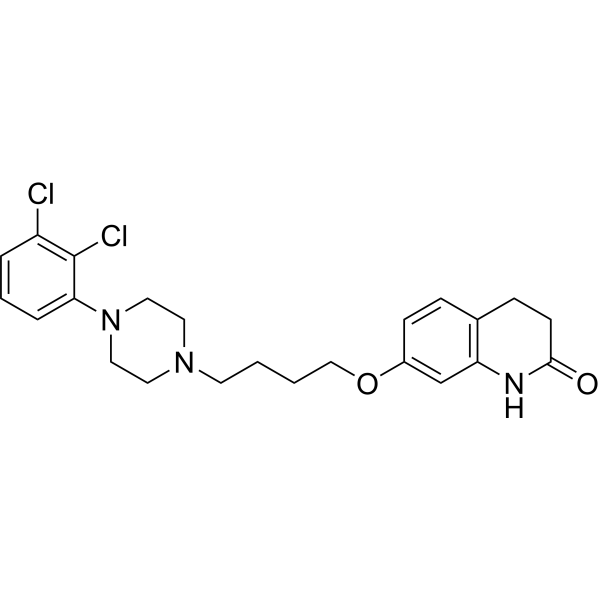 0 ImagesSynonyms: OPC-14597 (Standard)Aripiprazole (Standard) is the analytical standard of Aripiprazole. This product is intended for research and analytical applications. Aripiprazole (OPC-14597), an atypical antipsychotic, is a potent and high-affinity dopamine D2 receptor partial agonist. Aripiprazole is an inverse agonist at 5-HT2B and 5-HT2A receptors and displays partial agonist actions at 5-HT1A, 5-HT2C, D3, and D4 receptors. Aripiprazole can be used for the research of schizophrenia and COVID19.
-
GR119566X
 0 ImagesCat. No.: HY-185345CAS No.: 237752-42-0GR119566X is a 5-HT3 receptor ligand with a pKi value of 8.80 against prufied 5-HT3 receptor. GR119566X can be used for 5-HT3 receptor purification.
-
Fananserin
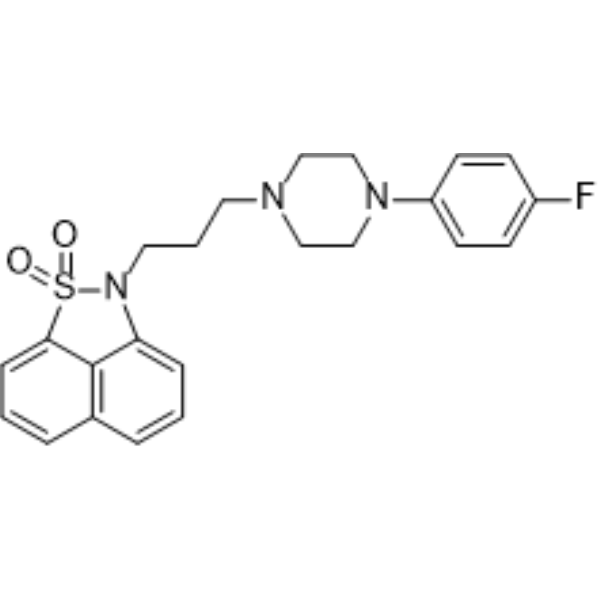 0 ImagesSynonyms: RP 62203Fananserin (RP 62203) is an orally bioavailable, potent and selective 5-hydroxytryptamine2 (5-HT2) receptor antagonist, with a Ki of 0.37 nM for the rat 5-HT2A receptor. Fananserin also is a selective dopamine D4 receptor antagonist, with a Ki of 2.93 nM for the human dopamine D4 receptor.
-
SERT/5-HT-IN-1
 0 ImagesSERT/5-HT-IN-1 (compound D17) is an orally active and potent dual target inhibitor of SERT/5-HT3A (SERT IC50 = 1.5 nM, NET IC50 = 49 nM, DAT IC50 = 91 nM, 5-HT3A Ki = 12 nM). SERT/5-HT-IN-1 has an IC50 of 39 nM to 5-HT3A. SERT/5-HT-IN-1 has a lower risk of liver, kidney, and cardiac toxicity. SERT/5-HT-IN-1 can be used for research on depressive disorders.
-
5-HT2A antagonist 1
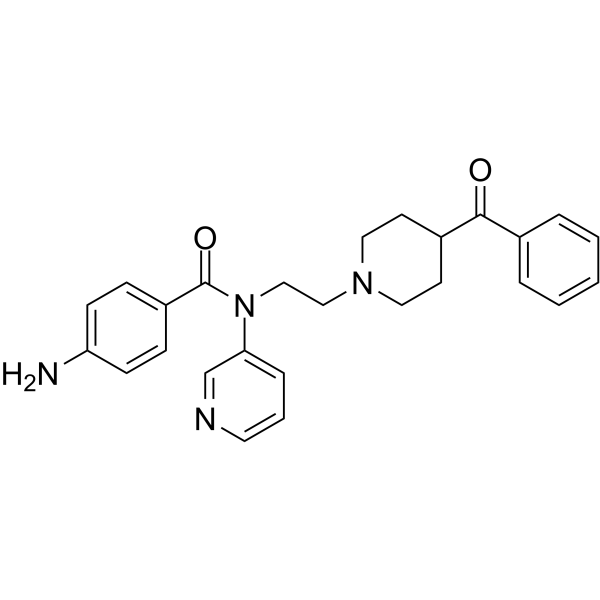 0 ImagesCat. No.: HY-U00286CAS No.: 204643-75-45-HT2A antagonist 1 is a 5-HT2A antagonist extracted from patent US5728835A and JP 1007727. 5-HT2A antagonist 1 may be useful in treatment of gastrointestinal disorders circulatory disorders.
-
CJ033466
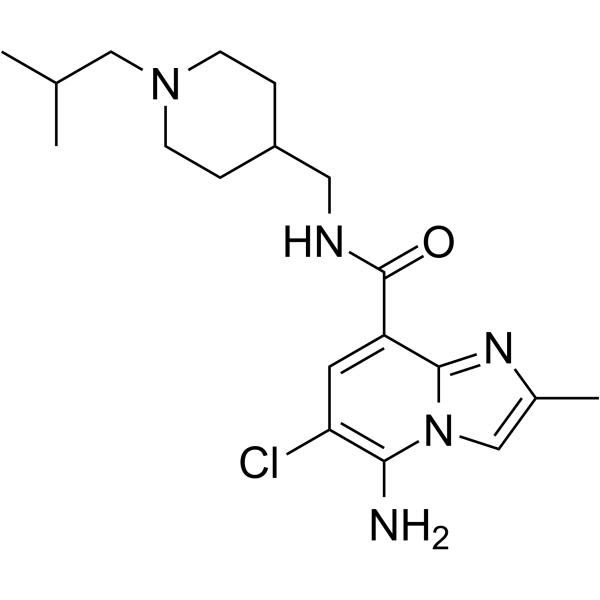 0 ImagesCJ033466 is a novel and selective 5-HT4 receptor partial agonist with an EC50 of 9 nM and has gastroprokinetic effect.

-
Napamezole hydrochloride
 0 ImagesNapamezole hydrochloride is an orally active α-2 adrenergic receptor antagonist and serotonin (5-HT Receptor) reuptake inhibitor, with Ki values of 28 nM and 93 nM for rat α-2 and α-1 adrenergic receptors, respectively. Napamezole hydrochloride can be used for the research of depression.
-
Diminazene
 0 ImagesCat. No.: HY-W342283CAS No.: 536-71-0Diminazene is an antiparasitic agent widely used to treat parasitic diseases caused by hemoparasites (such as trypanosomes and babesia). Diminazene acts as an ACE2 activator and exerts cardiovascular protective effects by activating the ACE2/Ang-(1-7)/Mas receptor axis. By regulating gut microbiota-tryptophan metabolism, Diminazene inhibits the activation of core inflammatory signaling pathways including MAPK, STAT and NF-κB, increases central 5-HT levels, and suppresses splenic TNF-α production, thereby alleviating systemic inflammation.




